Water Leak Detection Guide From the Pros
A leak somewhere your home may not seem like a big issue, and with other home maintenance concerns, it’s easy to push this problem to the side and ignore it.
But depending on the kind of leak you have, you may have far more on your hands than just an annoying case of “drip, drip, drip.”
Here’s why a leak may not be as trivial as you think, and what you should do to solve it.
A Sign You Should Take Seriously
A small leak can be easy to ignore, but in some cases, a leak is often a clue that there is problem that will only grow in severity and expense if it is ignored.
Even the leak itself can cost homeowners some money. Depending on the size of the leak, a home may lose 7.6-76 cubic meters of water to leaks in a 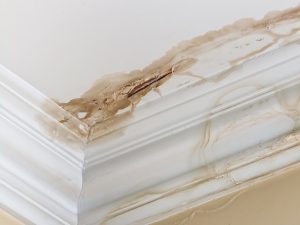 single year.
Aside from the paying higher amounts than you need to on water bills, leaks can even damage your home long before a pipe breaks.
Leaks in pipes that run through the ceiling of a home, for example, will inevitably cause water damage to the ceiling that will need to be repaired.
And if a leak is a sign of a pipe in the process of breaking, when it finally does break, the expense to fix both the pipe and area of the home where the break occurred will be significant.
Find the Leak
Fixing a leak means knowing where the leak is happening and gauging the extent of the leak itself.
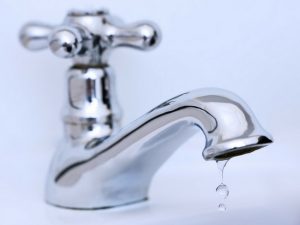 In some cases, a leak may be right on the tap and only require a little bit of tightening to the fixture or changing your tap washer and the problem is solved.
In other cases, it’s far from obvious.
Leaks can occur anywhere in plumbing, from toilets to showers, to hot water systems.
A leak may be in the water pipe that carries water to your different fixtures.
Worse yet, it may be in the sewage pipe that carries used water and human waste out of the home.
You need to conduct an inspection and use tactics—such as shutting off your water and checking your water meter—to see how much water is leaking.
Take Preventive Measures
The best way to not deal with an expensive plumbing repair situation is not to let the damage get that severe in the first place. Catching leaks early is one way to do this.
Take some time during the year to occasionally inspect your pipes. Make sure places like sinks keep the clutter in the cabinet to a minimum so you can easily check out the condition of pipes.
You can also do your part to prevent the pipes from undertaking too much damage in too short a time.
High water pressure, for example, can actually damage pipes as they are subjected every day to these strong forces.
And if your water supply is “hard water,” that is, it has a high mineral content that can also erode or corrode pipes faster than soft water which has fewer minerals.